How many separate problems does the pool have?
No votes yet. Yours will be the first. · saved on this device
Loading...
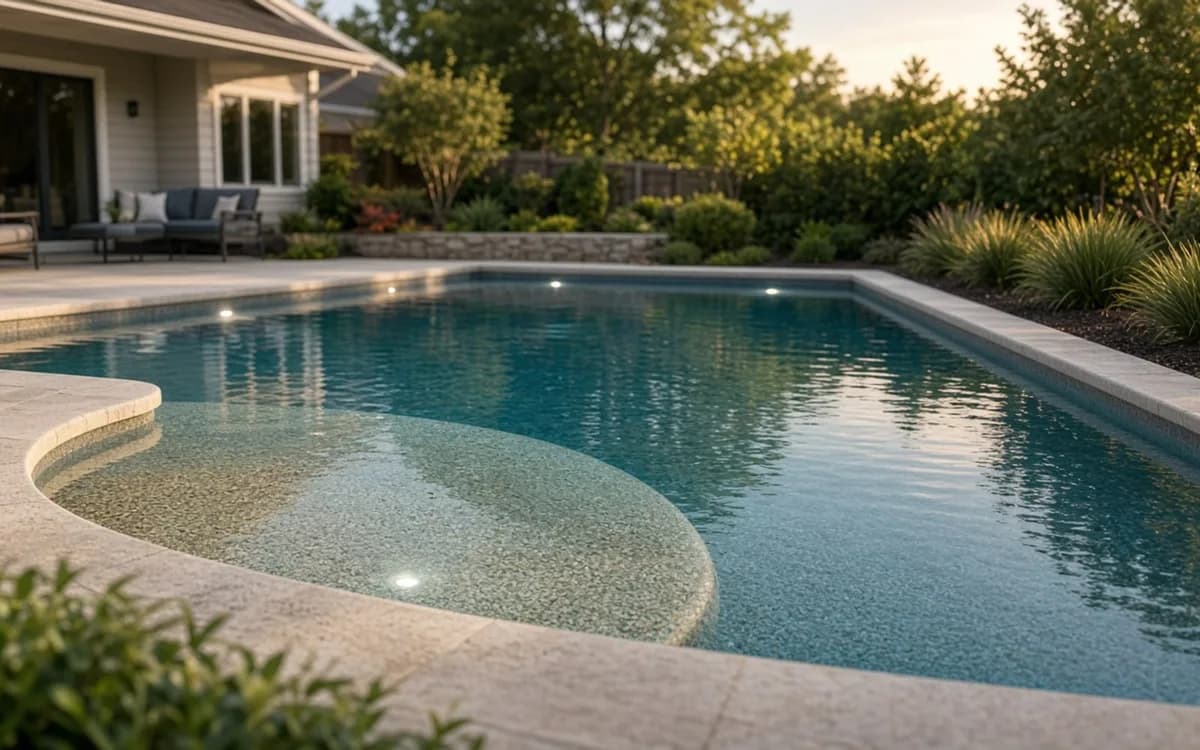
Pool Renewal Notes · Replaster only vs Coordinated remodel
Replaster alone when the interior is the only diagnosed problem and the tile, coping, deck and equipment are sound. Choose a coordinated remodel when two or more items need the pool dry or the pad open, since draining, refill and startup are then paid once. A remodel should still list required repairs separately from elective upgrades so the total can be trimmed.
The question is not whether a remodel is better than a replaster; it is how many problems your pool actually has and whether they share the same drain. Doing one thing well is often smarter than doing five things at once. Doing five things in five separate visits, though, pays setup costs five times and keeps the yard a work zone for years.
This page walks through scenarios, ten-year cost, scheduling, resale, common mistakes and bid comparison. For the component costs of a full remodel, see the remodel service page. The table on this page summarizes the factors; the sections below apply them to real pools with several problems at once. Figures name their publishers.
A replaster addresses one problem, the interior, in one short drain cycle. A remodel bundles finish, tile, coping, deck and equipment into one sequence. Bob Vila's averages are close because many remodels are small, but a multi-scope remodel runs $30,000 and up. The question is how many things are wrong and whether the pool must be drained for more than one of them.
| Factor | Replaster only | Coordinated remodel |
|---|---|---|
| Upfront cost | $3,500 to $6,500 plaster; up to $15,000 pebble (Shasta 2026) | $5,597 to $15,775 typical, avg $10,483 (Bob Vila 2026); $30,000 to $50,000 multi-scope |
| What it fixes | Interior finish only | Finish, tile, coping, deck, equipment, features, safety items |
| Drain cycles | One now; another when tile or equipment need the pool dry | One for everything |
| Time out of service | About 3 days plus cure (CostHelper) | About 11 days on site (CostHelper); 4 to 8 weeks overall (Bob Vila) |
| Risk of hidden costs | Lower, but tile and beam problems are left for later | Higher; hollow-spot and beam allowances should be stated |
| Climate fit | Fits a short work window | Needs a longer window; fall or winter |
| Resale / ROI | Reads as maintained | Reads as renovated; adds the elective value of new deck and features |
| Best for | One diagnosed problem on a pool that otherwise works | Several diagnosed problems, or a change of look and systems |
Replaster wins when the interior is the only thing wrong. A sound tile line, a working joint, a variable-speed pump and a deck that drains correctly leave nothing to bundle, and a remodel label on a single-scope job adds markup. It also wins in a short seasonal window where the pool needs to be back in a week.
The remodel wins when two or more items need the pool dry, because HomeAdvisor's $175 to $225 drain, the refill and the 28-day startup are paid once instead of twice or three times, and the expansion joint, drain cover and bonding get done while everything is open. Bob Vila splits a remodel at about 55% materials and 45% labor, so shared labor is the saving. Keep required and elective lines separate, as the remodel page describes.
A pool whose tile line is intact, whose coping is tight, whose expansion joint is flexible, whose deck drains away from the pool and whose pump is already variable speed is a replaster candidate. The interior is rough or stained, the bucket test shows no leak, and nothing is moving. Adding more scope here adds cost without solving a problem, and a remodel label on a single-scope job can add markup. The honest proposal for this pool is short, and a longer one should explain what it found that you did not.
A short work window also favors a replaster. CostHelper's user reports put 3 days vs 11 days for a replaster against a complete upgrade, and in a Northern climate that difference can decide whether the pool opens in June or July; our analysis of EIA's 2024 household survey found 41.9% of U.S. pool homes use the pool one to six months. If the only extra item is waterline tile, many contractors can set it while the pool is drained for the replaster without turning the job into a remodel. That middle option captures most of the bundling benefit at a fraction of a remodel's cost.
Two or more items that need the pool dry: a rough finish plus failing tile, a leaking light niche plus a rough finish, or a cracked bond beam plus a deck pressing on the coping. Each would require its own drain and startup if done separately. HomeAdvisor's 2026 repair guide notes that when repairs stack up, a planned remodel is often cheaper than piecemeal fixes, and its average repair figure of $725 shows how quickly several small calls add up.
A remodel also makes sense when the owner wants a different pool rather than a renewed one: a tanning ledge, a new coping profile, a deck overlay, LED lights, automation. Bob Vila's 2026 remodel average of $10,483 describes a modest list; adding deck and equipment moves the total well above it. The key is that each elective item remains a line you can remove. If striking one line changes the price of another, ask the contractor to explain the dependency.
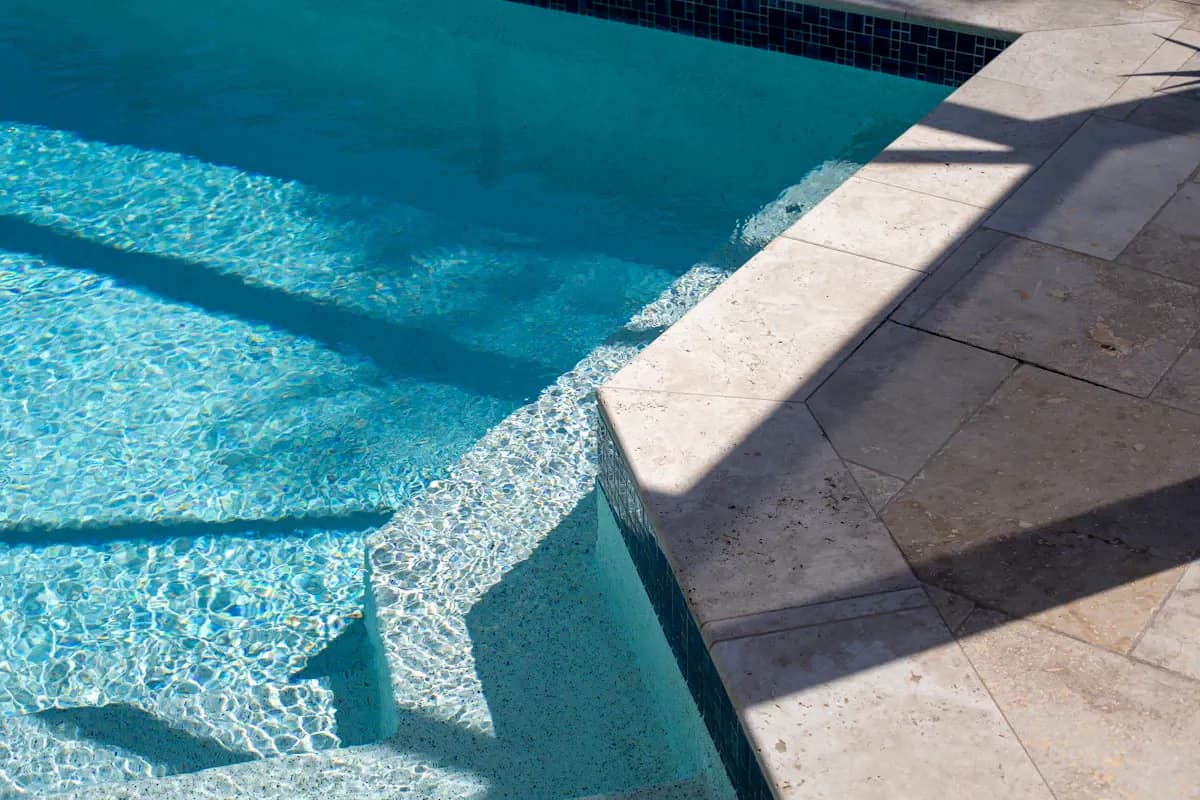
Picture an owner with a rough interior, a failing tile line and a single-speed pump. Path one: replaster now, retile in two years, replace the pump when it fails. That is two drain or lowering events, two startup periods, and the pump's energy waste until it quits. Path two: one remodel covering all three. The remodel costs more on day one, but it avoids repeated drain overhead and starts the pump savings immediately.
Pool Goods' May 2026 modeling shows a variable-speed pump saving about $345–$735 per year, so a pump replaced three years early at a remodel can offset a meaningful share of its own cost. The replaster path wins only if the tile and pump truly have years left. A careful diagnosis is what tells you which path you are on. The plaster versus pebble comparison adds the finish-grade question to the same ten-year view.
| Ten-year factor | Replaster, then fix later | Coordinated remodel |
|---|---|---|
| Drain and refill events | Two or more | One |
| Startup and cure periods | Two or more | One |
| Pump savings start | When the old pump fails | Immediately |
| Yard disruption | Spread over years | One longer period |
| Upfront outlay | Lower | Higher |
A replaster fits a narrow window; a remodel needs a wider one. Bob Vila puts a remodel at four to eight weeks including scheduling gaps, cure times and inspections, and the deck concrete needs time before the finish crew can work around it. In freeze climates, the remodel has to finish with a full pool before frost, which usually means starting by late summer.
Market conditions matter too. PHTA's Q4 2024 Pulse found 49% vs 19% among firms with remodel revenue rising versus falling, so remodelers book quickly. A large project requested in the fall for a winter or early-spring start in the Sun Belt tends to get a firmer schedule and fewer gaps between trades than one requested in April. A replaster, by contrast, can often be slotted into a contractor's calendar at short notice.
The required repairs do most of the work at resale. A pool with a fresh finish, intact tile and working equipment reads as maintained; a pool with a new finish but popped tile and a dead heater reads as half-done. Opendoor estimates major pool repairs at $5,000 to $15,000 per event, which is roughly what a buyer will subtract for each visible problem.
Elective upgrades such as a new deck surface, lights or automation pay back mainly in enjoyment, and partly in listing appeal in pool-heavy markets. If a sale is near, favor the required items plus the most visible elective, usually waterline tile. If a sale is years away, the remodel's elective items have time to earn their keep in use. Either way, keep the diagnosis and warranty paperwork; buyers read it.

With a replaster, the common mistake is ignoring the tile line and joint, then watching new tile or coping work damage the fresh finish a year later. Another is replastering over a slow leak. With a remodel, the common mistake is accepting a single lump-sum price that hides which problems were diagnosed and which items are optional, which makes it impossible to trim scope or compare bids.
Remodels also carry schedule risk. A drained pool waiting for a deck crew or an inspector can crack in heat or lift in wet soil. Ask for a written sequence with inspection points and a continuous run from drain to fill. A remodel schedule with a week of idle time between trades is a warning sign worth raising before signing. The planning guide explains how to separate required from elective items before requesting bids.
Break the remodel into the same lines as the replaster and compare the interior portions directly. They should show similar square footage, preparation and product. Then look at what the remodel adds and price each item against the service pages. Bob Vila puts full remodel projects anywhere from $1,600 to $30,000; bundling makes sense only when each bundled item is justified on its own.
Ask the remodeler what they would change if you removed each elective line, and whether any lines depend on each other. For example, a deck overlay may require new coping, and a heat pump may require an electrical upgrade. Then use the estimate request to get a second remodel bid built on the same line structure.
Homeowner polls
No votes yet. Yours will be the first. · saved on this device
Angi's 2026 benchmark for a pool remodel is $1,600 to $30,000, average $10,482.
No votes yet. Yours will be the first. · saved on this device
Yes, and waterline tile can be done with the water lowered rather than drained, so the second job is cheaper than a second full drain. But new tile is set on the beam above the new finish, and the joint work disturbs the edge. If both are due, one visit is cleaner.
A leak detection and a site visit with the pool full, then sounding the walls once drained. The home page symptom table tells you which scopes to price; the proposal's diagnosis section tells you what was found.
Larger jobs are more often financed, through home equity or contractor programs. Terms vary; compare the rate against paying cash for a smaller scope now and the rest next year. The scope decision should not be driven by the financing offer.
Many resurfacing companies set waterline tile and coping with their own crews, which makes a replaster with tile a common middle option. Ask whether the tile crew is in-house or subcontracted and whether they reset the expansion joint as part of the tile work.
Upfront, almost always, because it covers more. Over several years, it can be cheaper if it replaces two or three separate drain cycles and brings equipment savings forward. The comparison depends on how many items are truly due. A diagnosis that separates due items from wishes is what makes the comparison fair.
Prioritize the items that require a drained pool and do them together, then defer items that do not need a drain, such as equipment or deck overlays. Ask the contractor to design the phased plan so later work does not damage the new finish.
If it is single-speed and older, replacing it during the replaster lets the new pump circulate continuously during the finish cure and starts energy savings early. If it is already variable speed and in good condition, leave it. Money is better spent on the finish grade or the waterline band.
Agree on the required list first, based on diagnosis, then add elective items one at a time with separate prices. Set a total you will not exceed and ask the contractor to flag any change order before work proceeds. Unit prices for hidden damage keep surprises predictable.
Usually. Electrical, gas, deck and barrier work commonly require permits, while a like-for-like replaster often does not. The permits guide explains typical triggers and the inspection order. Inspections also add days to a remodel schedule, which is one reason remodels take weeks rather than days.
 ComparisonStandard plaster vs Pebble aggregate
Choose plaster when you expect to sell within a few years, want the smoothest feel or have a fixed budget; choose pebble when you will keep the pool for a decade or more, live with freeze-thaw or hard water, or want fewer drain cycles.
 ComparisonResurface the deck (overlay) vs Replace the deck
Resurface a pool deck when the slab is flat, drains away from the house and pool, and has only surface wear or hairline cracks.
 ComparisonElectric heat pump vs Natural gas heater
Choose a heat pump if you heat the pool steadily through a warm season, especially in the South, with a cover and a variable-speed pump.
ComparisonConvert to saltwater vs Stay on chlorineConvert to salt when the pool has a long season, compatible heater and fixtures, and salt-tolerant coping, and when you value softer water and fewer chemical purchases.
ComparisonWaterline retile only vs Full interior retileRetile only the waterline when the interior finish is sound and the goal is to fix popped, scaled or dated tile; it costs Shasta Pools' $25 to $30 per linear foot with the water lowered, not drained.
 Service guidePool Resurfacing
Pool resurfacing replaces a worn interior finish on a concrete pool with new plaster, quartz, pebble aggregate or tile, or replaces the liner on a vinyl pool.
 Service guideTile & Coping Replacement
Tile and coping replacement renews the waterline band and the edge cap on the bond beam after the cause of the failure is understood.
 Service guideEquipment Upgrades
Equipment upgrades replace or add the pump, filter, heater, sanitizer, lights, automation and safety hardware on an existing pool.
 Service guideComplete Pool Remodel
A complete pool remodel coordinates several diagnosed repairs and desired changes, typically interior finish, tile and coping, deck, equipment and features, into one sequence with one drain cycle and one contractor accountable.
 Free toolPool resurfacing and renovation cost calculator
Size, material tier and complexity in, a realistic budget range out.
 Free toolPool renovation quiz: nine facts to know before the first proposal
9 questions that show what you already know and what to check next.
 Free toolPool renovation polls
See what other planners chose and add your vote.
Tell us the size, the condition of what is there now, and what you want to change. Pool Renewal Notes passes your request to independent local professionals, who reply with written, no-obligation estimates. The service is free to use.