What symptom started your renovation planning?
The symptom decides which scope to price first.
No votes yet. Yours will be the first. · saved on this device
Loading...
Pool Renewal Notes · Planning
Plan a pool renovation by confirming the symptom, ruling out leaks and structural movement, deciding which scopes share one drain cycle, choosing a season that fits your climate, and sending a written brief that separates required repairs from wishes. The finish, tile and equipment choices come after that groundwork, not before it, and the proposal you get back reflects how well the brief was written.
By Pool Renewal Notes editorial · Updated 2026-09-25
Most pool projects begin with a feeling rather than a finding. The plaster looks tired, the tile line has gaps, the electric bill jumped, or a buyer's inspector wrote something unkind. Turning that feeling into a plan means working backward from what you see to what caused it, then forward to a scope and a calendar. Skipping the backward step is how owners end up with a beautiful new finish over a leaking return line.
This guide follows the order a careful owner uses: observe, test, diagnose, group the work, choose timing, set a budget range, write the brief and compare proposals. Each step has a cheap check that saves an expensive mistake. For the dollars behind each step, the 2026 cost guide picks up where this one stops.
A one-page record of the pool as it is today. Note its approximate age, shell type, current finish and the year it was last resurfaced if you know. Describe each symptom in plain language with a location: rough patches on the shallow-end floor, three missing tiles on the north wall, a hum from the pump you can hear indoors. Photograph each one in daylight, with a coin beside any crack for scale.
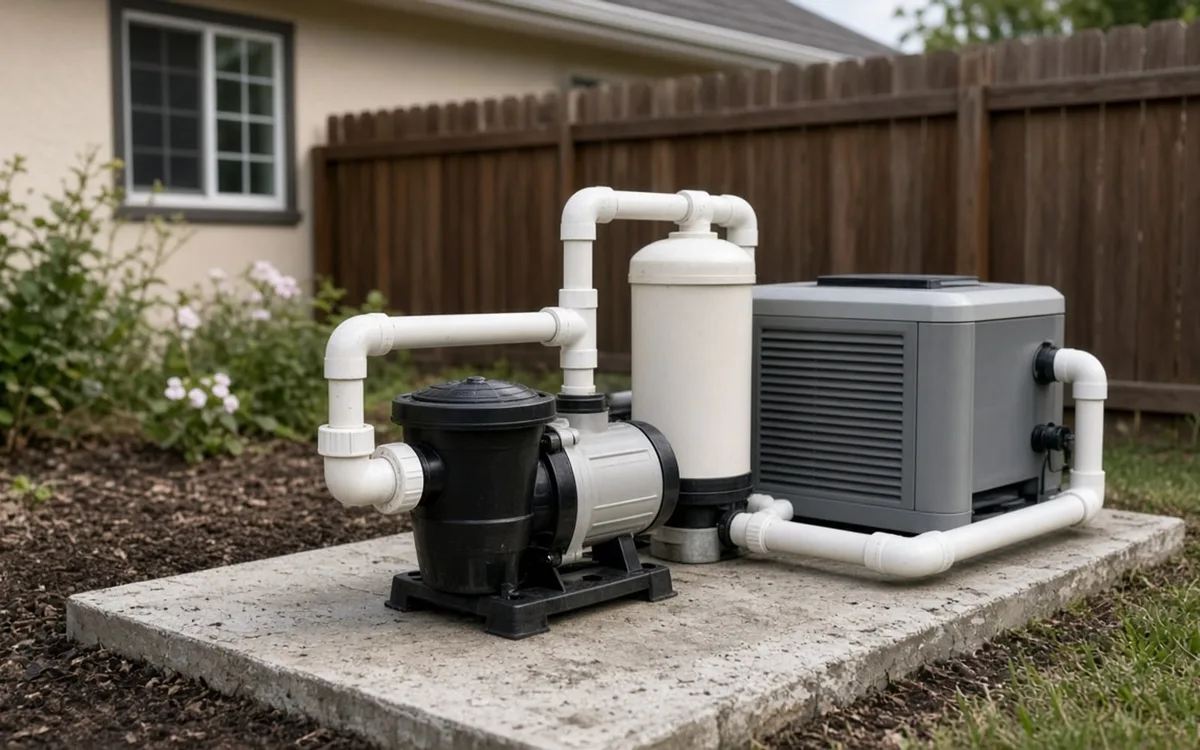
Add the equipment. Photograph the pump, filter, heater and any salt cell or controller with their labels readable, and note roughly how many hours a day the pump runs. Our analysis of the EIA's 2024 household survey found 48.2% of U.S. pool homes still report no variable-speed pump, so the label photo is often the first clue that equipment belongs in the plan. This record becomes the core of the brief you send later.
Run the bucket test over two days. Set a bucket of pool water on the first step, mark the water level inside the bucket and on the pool wall, and leave the pump off for 24 hours. Repeat with the pump running on its normal schedule. If the pool drops faster than the bucket, water is leaving by some route other than evaporation, and a difference that grows with the pump on points toward the pressure side of the plumbing.
A positive result means booking leak detection before anything else. HomeAdvisor's 2026 repair guide lists detection at $100 to $500, and a technician will pressure-test each line and dye-test fittings, the skimmer throat and the light niche. The report decides whether a resurfacing proposal is even relevant. If the bucket and the pool drop together, record that result in the brief; it saves every contractor a question.
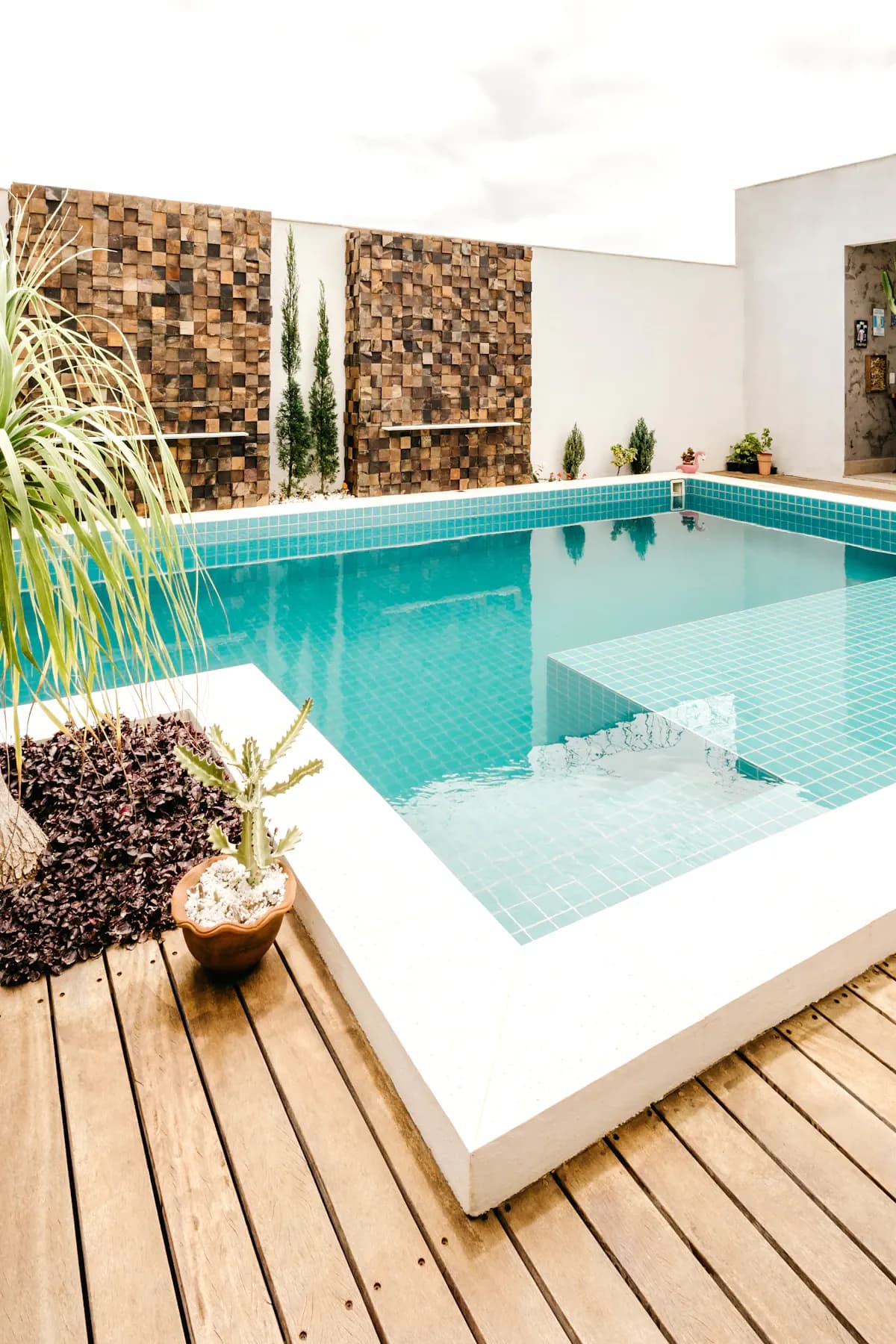
Walk the edge with a straightedge. Lay it across the joint between coping and deck and along the deck toward the house. A lip, a gap under the edge, or a slab that now tilts back toward the foundation suggests movement. Look for horizontal cracks through the tile band, coping stones that rock underfoot, and cracks in the shell that look wider this year than last. Those are structural observations, not cosmetic ones.
Movement changes the order of work. A retile or a new finish over an active crack fails early, so the first visit should come from someone who assesses structure and soil before pricing any surface. In many cases the cause is a hardened expansion joint that lets the deck push against the bond beam, which is a modest repair; in others it is soil settlement that needs an engineer. The tile and coping page explains the common patterns.
Anything that needs the pool empty or the water well below the tile. Resurfacing needs a full drain; a full retile does too; replacing the main drain cover, a light niche or a skimmer is far easier with the shell dry. Waterline tile only needs the level dropped below the band. Grouping these avoids paying HomeAdvisor's $175 to $225 draining charge, a refill and a month of startup care more than once.
HomeAdvisor prices resurfacing labor at $45–$65 per hour with a $175 to $225 drain on top, and pools reward combining work more than most projects. Equipment does not need the pool drained, but doing the pad in the same visit means one electrical permit and a new pump ready to circulate during the finish cure. The replaster versus remodel comparison helps decide where bundling stops paying.
| Work item | Water level needed | Bundle with |
|---|---|---|
| Interior resurfacing | Fully drained | Full retile, drain cover, niche, skimmer |
| Waterline tile | Lowered below the band | Coping, expansion joint reset |
| Coping replacement | Lowered below the band | Waterline tile, deck edge work |
| Pump, filter, heater, salt cell | Full; pool keeps running | Any interior job, to share permits |
| Deck overlay or replacement | Full, or drained if beam work is needed | Coping and joint work |
Cementitious finishes need temperatures above freezing to cure and a full pool within hours of troweling, so the calendar depends on climate. In the Northeast, where our EIA analysis found 94.88% of pool homes swim one to six months, work usually runs from late spring to early fall and must end with a balanced, full pool before hard frost. Booking in winter for an April or September slot is common.
In the South, where 63.15% of pool homes use the pool all year, winter is the natural work season because the pool is least missed. Contractors book spring first everywhere, and PHTA's Q4 2024 Pulse Survey showed 49% vs 19% among firms with remodel revenue rising versus falling. An off-season request with a clear brief tends to get a firmer start date, even if the price does not move much.
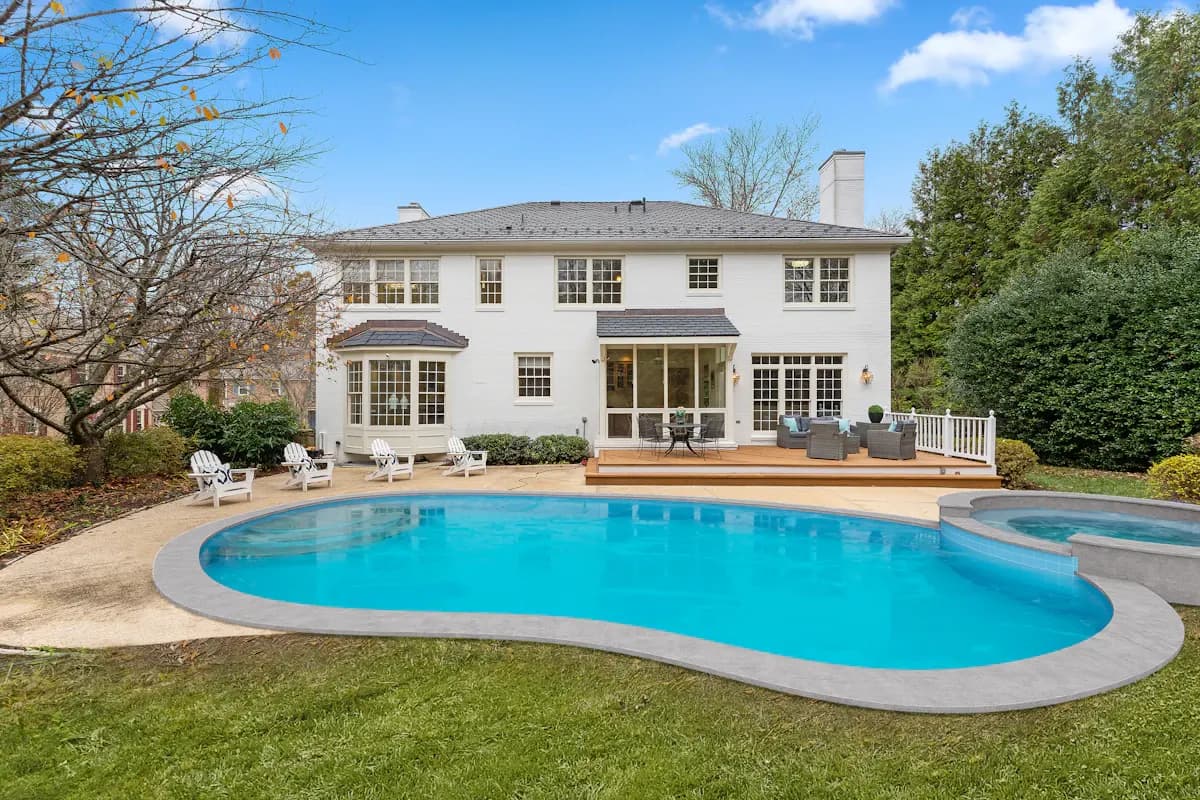
Start with the anchor scope and add from there. HomeAdvisor's 2026 guide puts resurfacing at an average of $11,000, and Angi's benchmark places a general remodel near $10,482 across a wide range. Price your interior with the calculator, then add a waterline band, coping or equipment as separate lines using the figures on each service page.
Then hold back a contingency. Hollow spots, rusted steel and a cracked beam only show once the pool is drained and the old finish comes off, and a proposal should carry a per-square-foot allowance for them. A reserve of roughly a tenth to a fifth of the interior line is a common planning habit. If the total lands above what you want to spend, the materials guide explains which choices move the number most without shortening the finish's life.
The record from step one, the bucket test result, any detection report, the photos, and a two-column list: required repairs on the left, wishes on the right. Name the scopes you want priced and whether you want plaster, quartz or pebble quoted, since that single choice moves the interior line more than anything else. Say when you want the pool back in service.
Ask every responder the same questions in writing: interior square footage priced, preparation method, hollow-spot allowance, who drains and who checks groundwater, equipment by model number, startup days included and the care conditions attached to the finish warranty. Proposals that answer all of them can be compared directly. The estimate request form carries that brief to independent local pros in one step.
Diagnosis first, then scope, then price. Check that each proposal states what it found and how, lists required repairs separately from options, and uses a similar square footage. A proposal that is thousands lower often assumes a bond coat where the others priced a chip-out, or leaves out the groundwater check. That is not dishonest, but it is a different job, and it should be priced as one.
Call two references per shortlisted contractor from jobs finished at least eighteen months ago and ask how the finish looks now and how startup was handled. Then confirm who pulls which permits, a subject the permits guide covers in detail. Sign only once the schedule shows a continuous run from drain to fill, with no week in which the shell sits empty waiting for another crew.
Homeowner polls
The symptom decides which scope to price first.
No votes yet. Yours will be the first. · saved on this device
No votes yet. Yours will be the first. · saved on this device
Interior finishes must cure and the pool refill before frost in cold regions.
No votes yet. Yours will be the first. · saved on this device
Three to four months before you want the work to start is comfortable. That leaves time for the bucket test, a leak detection visit if needed, two or three site visits and a decision without rushing. In freeze climates, starting in winter for a spring or early-fall slot is typical, and in the Sun Belt a late-summer start lines up with winter work.
Either can work if the check is documented. A standalone detection company has no stake in the finish sale, which some owners prefer. A resurfacing contractor who includes pressure and dye testing as a written line item is also fine. What matters is a report showing each line and fitting tested, not a verbal assurance that the pool looks tight.
Avoid it. A concrete shell left empty in heat can craze and crack, and in wet soil it can lift. Plan for the pool to be drained on the day chip-out starts and filled on the day the finish goes on. If a schedule shows the shell empty for a week with no work, ask the contractor why.
For a multi-scope remodel with deck changes, a raised wall or a spa, a paid layout and material plan can save money by settling decisions before demolition. For a replaster and waterline retile, it rarely adds much; a finish sample, a tile board and a clear proposal are enough. Ask whether any design fee is credited toward the contract.
Many remodelers handle finish, tile, coping and equipment with their own crews and subcontract electrical, gas or deck concrete. That is normal if the proposal names the subcontracted trades and the remodeler stays responsible for the schedule. The risk is not the number of scopes but the gaps between crews, which is when a drained pool sits unattended.
Ask to see them. A good contractor will show you the hollow spot, the crack or the corroded fitting, explain how it was found and price the fix as its own line. Compare that line with the other proposals. If only one contractor found the problem, ask the others whether they checked for it before assuming they missed it.
It depends on the pool's condition and your timeline. A pool that photographs well after a replaster or waterline retile usually helps a listing more than a credit does, because buyers discount visible problems heavily. If the pool needs structural work, a credit with a documented diagnosis may be simpler. The cost guide covers the numbers.
Not for every day, but you should be reachable and present at key moments: the pre-drain groundwater check, the reveal after chip-out when hidden damage shows up, and the fill and startup handover. Those are the points where decisions and change orders happen, and where the care instructions for the new finish are explained.
 Service guidePool Resurfacing
Pool resurfacing replaces a worn interior finish on a concrete pool with new plaster, quartz, pebble aggregate or tile, or replaces the liner on a vinyl pool.
 Service guideComplete Pool Remodel
A complete pool remodel coordinates several diagnosed repairs and desired changes, typically interior finish, tile and coping, deck, equipment and features, into one sequence with one drain cycle and one contractor accountable.
 Service guideTile & Coping Replacement
Tile and coping replacement renews the waterline band and the edge cap on the bond beam after the cause of the failure is understood.
 CostsWhat a pool renovation costs in 2026, scope by scope
In 2026 a pool resurfacing averages about $11,000 per HomeAdvisor, a waterline retile runs roughly $1,500 to $2,500 per Shasta Pools, coping costs $30 to $50 per linear foot per Bob Vila, and a remodel averages around $10,500 with multi-scope jobs far higher.
 MaterialsChoosing finishes, tile, coping and equipment that suit the pool you have
The right renovation materials depend on how long you will own the pool, your climate and water, and how the pool is used.
 PermitsPermits and codes for pool renovation work, explained plainly
Permit rules for pool renovation vary by city and county, but electrical work, gas lines and heaters, structural changes, deck replacement and barrier changes commonly require a permit and inspection, while a like-for-like replaster often does not.
 Free toolPool resurfacing and renovation cost calculator
Size, material tier and complexity in, a realistic budget range out.
 Free toolRenovation comparisons, decided by your pool's condition
Side-by-side tables for the decisions that change the price most.
 Free toolPool renovation quiz: nine facts to know before the first proposal
9 questions that show what you already know and what to check next.
 Free toolPool renovation polls
See what other planners chose and add your vote.
Tell us the size, the condition of what is there now, and what you want to change. Pool Renewal Notes passes your request to independent local professionals, who reply with written, no-obligation estimates. The service is free to use.