What symptom started your renovation planning?
The symptom decides which scope to price first.
No votes yet. Yours will be the first. · saved on this device
Loading...
Pool Renewal Notes · Planning articles
This library holds four long guides for owners of existing pools: how to plan a renovation around a diagnosis, what each scope costs in 2026, which finishes, tile, coping and equipment suit which pools, and which work needs a permit and inspection. Every figure names its publisher, from HomeAdvisor and Shasta Pools to EIA and CPSC, so you can check it before a contractor visit.
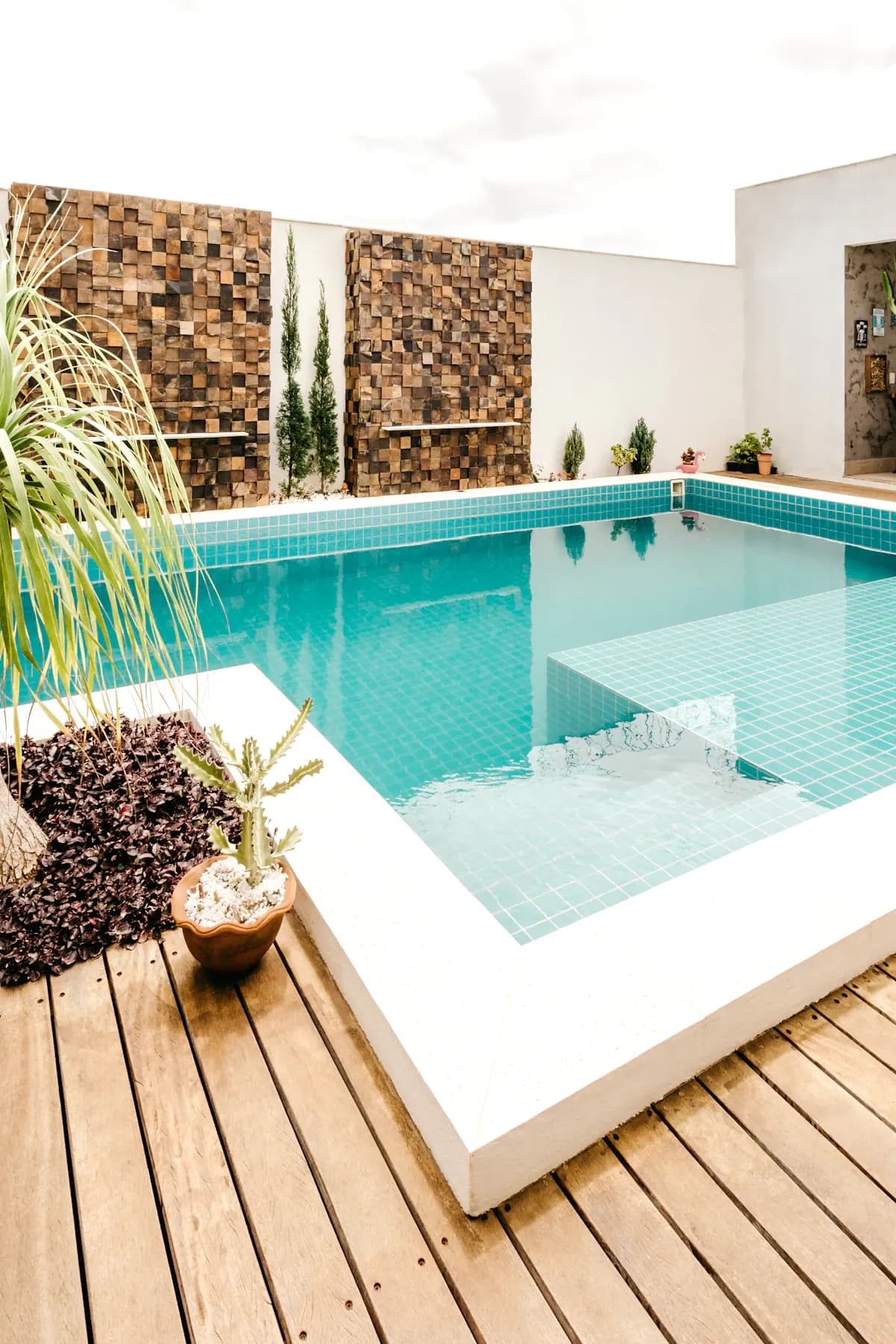
Photo: Image: green potted plant beside swimming pool†unsplash.com · License.
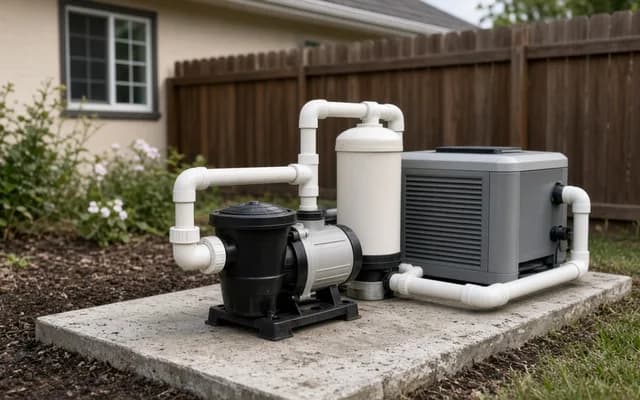 PlanningPlanning a pool renovation in the order the work actually happens
Plan a pool renovation by confirming the symptom, ruling out leaks and structural movement, deciding which scopes share one drain cycle, choosing a season that fits your climate, and sending a written brief that separates required repairs from wishes.
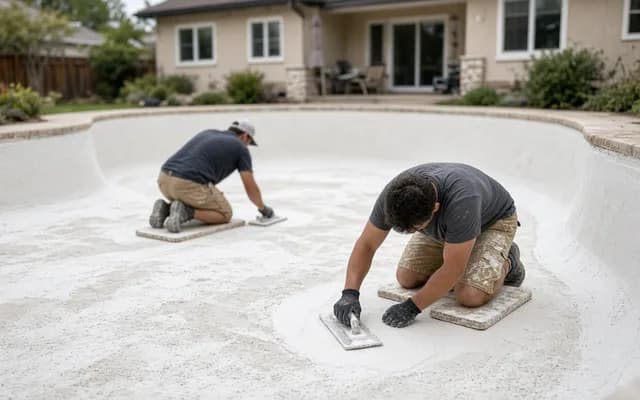 CostsWhat a pool renovation costs in 2026, scope by scope
In 2026 a pool resurfacing averages about $11,000 per HomeAdvisor, a waterline retile runs roughly $1,500 to $2,500 per Shasta Pools, coping costs $30 to $50 per linear foot per Bob Vila, and a remodel averages around $10,500 with multi-scope jobs far higher.
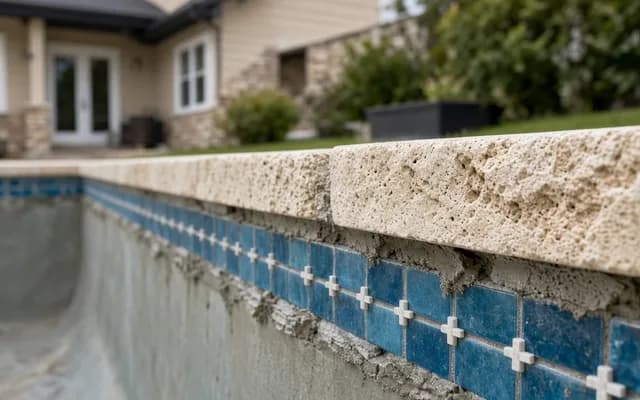 MaterialsChoosing finishes, tile, coping and equipment that suit the pool you have
The right renovation materials depend on how long you will own the pool, your climate and water, and how the pool is used.
PermitsPermits and codes for pool renovation work, explained plainlyPermit rules for pool renovation vary by city and county, but electrical work, gas lines and heaters, structural changes, deck replacement and barrier changes commonly require a permit and inspection, while a like-for-like replaster often does not.
Pool renovation advice tends to arrive as a sales pitch for one finish or one pump. The guides here are ordered the way the work should be: find out what is wrong, decide how much to fix at once, price it honestly, choose materials that fit the climate and the horizon, and then confirm which parts an inspector needs to see. Each guide stands alone, and each links to the tools and service pages where the decisions get made.
Start with the planning guide if you have a symptom but no scope yet. Go to the 2026 cost guide if you already have a proposal and want to know whether it is reasonable. The materials guide settles plaster against pebble, tile types, coping stone and equipment, and the permits guide covers barriers, bonding, gas lines and what an inspector checks.
Because the most expensive renovation mistake is buying the wrong scope. A rough interior on a pool that also loses water gets resurfaced, the leak survives underneath, and the owner pays for detection and a patch through a brand-new finish a year later. HomeAdvisor's 2026 repair guide puts the average pool repair at $725, which is small money next to a finish that has to be cut open.
Each guide therefore asks the same three things of any plan: what was diagnosed and by what method, what repair happens beneath the visible work, and what the owner has to do afterward for the result to last. Those questions are not specific to resurfacing. They apply equally to a retile over a moving bond beam, a heater bolted onto undersized gas pipe, and a deck overlay poured across a joint that has already failed.
The planning guide walks through the sequence from first symptom to signed proposal: the bucket test, leak detection, deciding what to bundle into one drain cycle, picking a season and writing a brief. The cost guide takes the national figures by scope, explains what pushes a job up or down, splits labor from materials and shows how to read a bid line by line.
The materials guide compares interior finishes by lifespan and feel, waterline tile by freeze tolerance, coping stone by salt resistance, and pumps, heaters and sanitizers by operating cost. The permits guide is candid that rules vary by city and county, then explains the usual triggers, the inspection order and what happens to a sale when unpermitted pool work surfaces. Read planning first if you are unsure; read cost first if a proposal is already on the table.

Cost ranges come from 2025 and 2026 editions of HomeAdvisor, Angi, Bob Vila, Fixr and CostHelper, paired with trade publishers such as Shasta Pools, We Fix Ugly Pools and SKIN Microplaster, each identified as a company that sells the work it prices. Equipment data comes from ENERGY STAR, Pentair, In The Swim and Pool Goods. Ownership and use data comes from our own analysis of EIA's 2024 household survey microdata, released in 2026, which puts a swimming pool at 7.2% of occupied U.S. homes and finds 69.1% of hot-tub homes report no pool.
Market direction comes from Pool Corporation's earnings calls and the Pool and Hot Tub Alliance's quarterly Pulse surveys. Pool Corporation reports that remodel work is 22% of U.S. pool product sales, a reminder that renovation, not construction, is where most pool money goes. Every figure keeps its year and its denominator, and a national range is always presented as a reference for questions, never as a quote. When two publishers disagree, both figures are shown with their dates so you can see the spread rather than a single tidy number.
The guides explain; the tools apply. After the cost guide, the resurfacing calculator puts your square footage and finish into a planning number. After the materials guide, the comparison pages line two options up factor by factor. After the planning guide, the owner polls show which symptom started other owners' projects and what they wish they had done differently.
The market backdrop matters for timing. PHTA's Q3 2025 Pulse Survey found 42% vs 21% among firms reporting remodel revenue up versus down, which means contractors are busy in spring and more flexible about start dates in fall and winter. Houzz's 2026 study found 50% of surveyed homeowners on its platform planning a renovation in 2026, so the queue is not getting shorter. The guides point out where that shifts your calendar, and the estimate request collects the brief when you are ready.
They will not tell you what is wrong with your specific pool, because nobody can from a photo and a paragraph. They will not rank contractors, and they will not pick a finish color. They also avoid promising savings from equipment: ENERGY STAR notes an old pump can cost up to $310 per year to run, but your schedule and utility rate decide what a new one saves.
What they will do is make the site visit shorter and the proposal clearer. An owner who arrives knowing the difference between a chip-out and a bond coat, or between a waterline retile and a beam repair, gets asked better questions and receives a proposal that can be compared line for line. The glossary covers the vocabulary if a term in a guide is unfamiliar.

Homeowner polls
The symptom decides which scope to price first.
No votes yet. Yours will be the first. · saved on this device
No votes yet. Yours will be the first. · saved on this device
No votes yet. Yours will be the first. · saved on this device
No. They assume the pool already exists and something about it is worn, failing or inefficient. New construction involves excavation, engineering and zoning questions these guides do not cover. Where a renovation crosses into structural change, such as reshaping a deep end or adding a raised spa, the guides say so and point to the remodel pages rather than pretending it is a finish job.
The cost guide. Its section on reading a bid lists the lines that separate an honest low number from an incomplete one: square footage, preparation method, hollow-spot allowance, drain and groundwater responsibility, equipment model numbers and startup terms. Line both proposals up against that list before comparing totals, and the gap between them usually explains itself.
Yes, where the work applies. Liner replacement and gelcoat refinishing appear in the materials and cost guides, equipment sections apply to every shell type, and tile and coping on fiberglass or vinyl pools sit on a concrete collar that is handled much like a gunite bond beam. Reshaping and chip-out preparation apply mainly to concrete.
When their publishers update, which for most cost guides is yearly. The guides name the edition, such as HomeAdvisor 2026 or Fixr 2025, so a reader can tell how current a number is. Survey data from EIA and PHTA arrives on its own schedule and is labeled by survey period rather than publication date.
They explain the bucket test and what the result means, and they explain what a leak detection service does and roughly what HomeAdvisor says it costs. They cannot confirm a leak. If the bucket test shows the pool dropping faster than the bucket, the next step is a detection visit, not more reading.
Not a separate one. The cost and planning guides both cover the pre-sale decision: whether to replaster, retile the waterline or offer a credit, using Opendoor's analysis of what a pool in good condition adds to home value. The polls page also shows what other owners chose when a sale was within a year.
To the tool that matches the decision you just made. After planning, the estimate request. After costs, the calculator. After materials, the comparison page for the two options you are weighing. After permits, a call to your building department with the list of items the guide flagged as common triggers.
 Service guidePool Resurfacing
Pool resurfacing replaces a worn interior finish on a concrete pool with new plaster, quartz, pebble aggregate or tile, or replaces the liner on a vinyl pool.
 Service guideTile & Coping Replacement
Tile and coping replacement renews the waterline band and the edge cap on the bond beam after the cause of the failure is understood.
 Service guideEquipment Upgrades
Equipment upgrades replace or add the pump, filter, heater, sanitizer, lights, automation and safety hardware on an existing pool.
 Service guideComplete Pool Remodel
A complete pool remodel coordinates several diagnosed repairs and desired changes, typically interior finish, tile and coping, deck, equipment and features, into one sequence with one drain cycle and one contractor accountable.
 Free toolPool resurfacing and renovation cost calculator
Size, material tier and complexity in, a realistic budget range out.
 Free toolRenovation comparisons, decided by your pool's condition
Side-by-side tables for the decisions that change the price most.
 Free toolPool renovation quiz: nine facts to know before the first proposal
9 questions that show what you already know and what to check next.
 Free toolPool renovation polls
See what other planners chose and add your vote.
Tell us the size, the condition of what is there now, and what you want to change. Pool Renewal Notes passes your request to independent local professionals, who reply with written, no-obligation estimates. The service is free to use.