Which interior finish are you choosing?
No votes yet. Yours will be the first. · saved on this device
Loading...
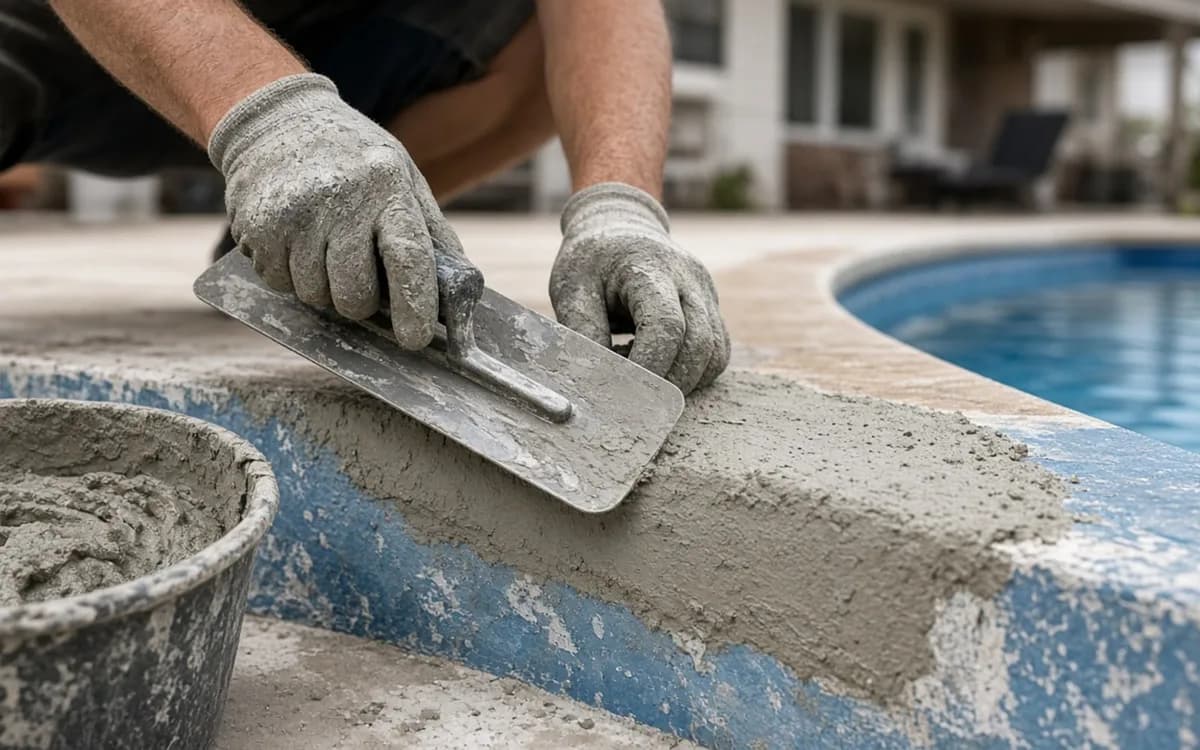
Pool Renewal Notes · Pool Resurfacing cost guide
Pool resurfacing averages about $11,000 per HomeAdvisor's 2026 guide, with most jobs between $6,000 and $15,000. Shasta Pools prices a whole-pool replaster at $3,500 to $6,500 and pebble at $6,000 to $15,000. Square footage, finish grade and the preparation the old shell needs set the price; draining, repairs and startup care are the lines that separate honest bids.
Resurfacing is priced as area times a finish rate, adjusted for preparation, plus a handful of fixed lines such as draining, the drain cover and startup. That makes it one of the more predictable pool jobs to budget, as long as the shell holds no surprises. The unpredictable part is what the old finish is hiding, and a well-written proposal prices that uncertainty in advance instead of leaving it to a change order.
The cost table and the calculator on this page give per-unit figures. This guide explains how those units combine into a total, where labor sits, which extras to plan for, how the calendar affects the bill and which choices to cut first if the number runs higher than you hoped.
| Item | Low | High | Unit | Notes |
|---|---|---|---|---|
| Standard plaster, whole pool | $3,500 | $6,500 | flat | Shasta 2026; Swimply 2026 gives $5,000 to $10,000 |
| Quartz aggregate, whole pool | $7,000 | $10,000 | flat | Shasta 2026 |
| Pebble aggregate, whole pool | $6,000 | $15,000 | flat | Shasta 2026; 20+ year finish |
| Full tile interior | $15,000 | $30,000 | flat | Labor about half of cost |
| Plaster, per 1,000 sq ft | $5,000 | $6,000 | per 1,000 sq ft | HomeAdvisor 2026; aggregate ~$6,500 |
| Draining | $175 | $225 | flat | Plus refill water and balancing |
| Vinyl liner replacement | $1,125 | $3,688 | flat | Bob Vila 2024; avg $2,393; 28-mil adds $300 to $500 |
| Resurfacing labor | $45 | $65 | per hour | HomeAdvisor 2026 |
| Paint or epoxy coating, whole pool | $1,500 | $5,000 | flat | Swimply 2026; shorter life than plaster |
| Resurfacing permit | $250 | $2,500 | flat | Swimply 2026; varies by jurisdiction |
Contractors measure the interior surface, floor plus walls, and multiply by a rate for the chosen finish. HomeAdvisor's 2026 figure is $5,500 per 1,000 sq ft for plaster, with aggregate about $6,500 per 1,000 square feet and tile far higher. A typical backyard pool has roughly 800 to 1,200 square feet of interior, so the finish line alone moves by thousands before preparation or add-ons are counted.
Shasta Pools' whole-pool ranges, $3,500–$6,500 for replaster, $7,000 to $10,000 for quartz and $6,000 to $15,000 for pebble, fold measurement and typical preparation into one number. The overlap between pebble and quartz shows that product line and preparation matter as much as the category name. Ask every bidder to state the square footage they priced; it is the single most useful number for comparing bids.
Swimply's June 2026 guide sits higher on every shared finish, with basic plaster at $5,000–$10,000, and adds finishes Shasta does not price: a fiberglass recoat and a paint or epoxy coat, the cheapest option with the shortest life. It also prices by pool size, with a medium pool at $6,000–$15,000. The table in this section puts the two publishers side by side; where they disagree, treat Shasta as the low anchor and Swimply as the high one.
| Finish or pool size | Shasta Pools (Jan 2026) | Swimply (June 2026) |
|---|---|---|
| Standard plaster | $3,500 to $6,500 | $5,000 to $10,000 |
| Quartz aggregate | $7,000 to $10,000 | $7,000 to $15,000 |
| Pebble aggregate | $6,000 to $15,000 | $9,000 to $20,000+ |
| Tile interior | $15,000 to $30,000 | $20,000 to $50,000+ |
| Fiberglass recoat | Not priced | $6,000 to $15,000 |
| Paint or epoxy coat | Not priced | $1,500 to $5,000 |
| Small pool, basic resurfacing | Not priced | $4,000 to $8,000 |
| Medium pool, basic resurfacing | Not priced | $6,000 to $15,000 |
| Large pool, basic resurfacing | Not priced | $10,000 to $25,000+ |
Preparation is where resurfacing prices diverge most. A bond coat over a sound old finish is the lowest-cost approach and works only when that finish is well adhered. A partial chip-out removes loose areas and patches hollows. A full chip-out to gunite removes the entire old finish, adding substantial labor and debris hauling, but it gives the new surface the most reliable bond and the longest life.
HomeAdvisor lists resurfacing labor at $45–$65 per hour, and preparation days are billed at that rate. A pool with many hollow spots, exposed rebar or routed cracks can add several days of repair before any finish goes on. That is why a sound proposal includes a hollow-spot allowance beyond a base amount and a unit price for extra repair, so a surprise has a known cost.
| Preparation level | What it includes | Effect on price |
|---|---|---|
| Sound shell, bond coat | Clean, roughen, bond coat, few hollows | Lowest |
| Moderate | Chip loose areas, normal hollows, minor cracks | Mid-range |
| Full chip-out | Remove entire old finish, many repairs | Highest |
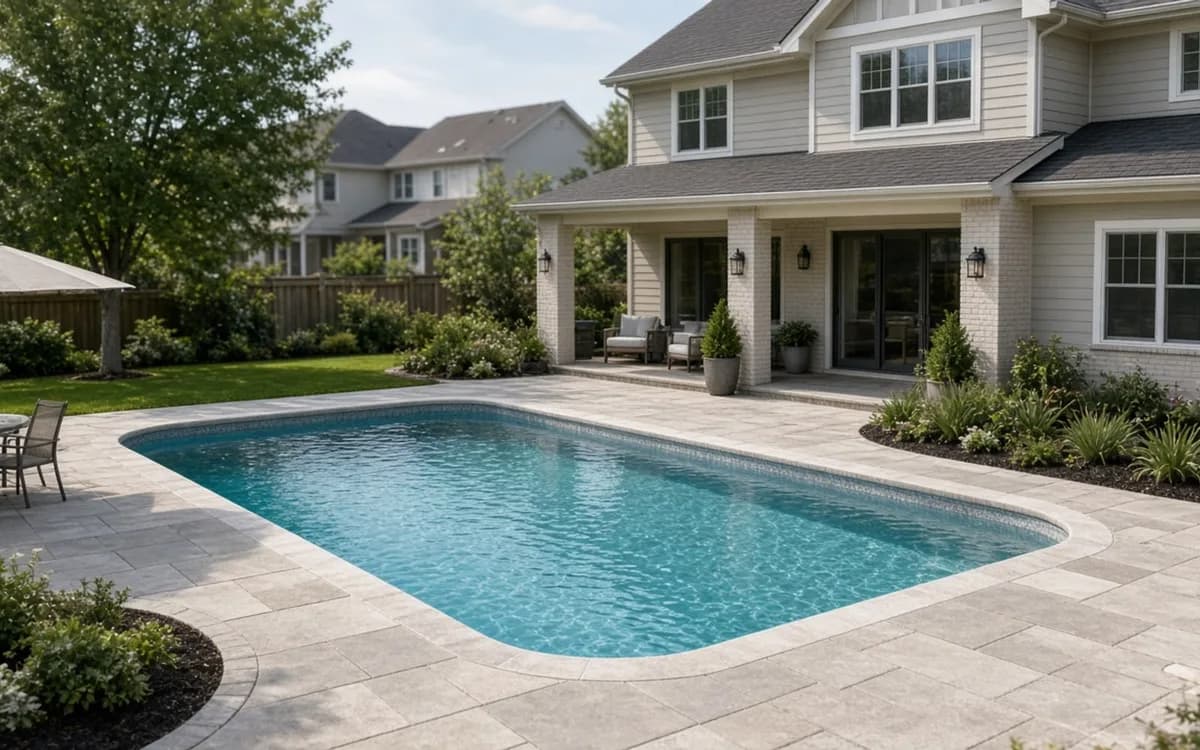
Labor is a large share of most resurfacing jobs. Bob Vila's 2026 remodel guide splits a typical pool project at roughly 55% materials and 45% labor, but a plaster job leans further toward labor because the material is inexpensive and troweling a pool in one continuous pass takes a skilled crew. A pebble job leans more toward material, since aggregate products cost considerably more per bag than plain plaster.
Crew organization changes labor cost too. A crew that completes chip-out, repairs and application without gaps bills fewer days than one that returns over several weeks between other jobs. CostHelper's user reports put 3 days vs 11 days for a replaster against a complete upgrade, and every extra working day shows up in the labor line. Ask how many days each phase is scheduled to take. A shorter schedule is not always cheaper if it skips curing or repair time.
Waterline tile is the most common add-on, because the pool is already drained and the band is often worn; Shasta prices it at $25–$30 per linear foot. Replacing the main drain cover with a compliant anti-entrapment model is a small but important line. Resetting light niches, skimmer throats and return fittings adds modest cost while the shell is dry and is far cheaper now than after the fill.
Other add-ons include contrasting tile on step and bench edges, a smoother finish grade on horizontal surfaces, and startup service beyond the first few days. Refill water is usually an owner cost billed by the utility, and startup chemicals may or may not be included. Swimply's 2026 guide prices three lines that bids often leave vague: draining and refilling at $40 to $2,000 depending on pool size and local water rates, crack repair at about $75 per linear foot, and a permit at $250–$2,500 depending on the jurisdiction. Ask each bidder to list these as separate lines so you can see what is included and strike what you do not want.
Fall is the cheapest season to book in Swimply's 2026 guide, and winter in warm regions, because contractors are less busy and offer better schedules and deals. PHTA's Q3 2025 Pulse Survey found 42% vs 21% among firms reporting remodel revenue up versus down, alongside flat margins, so expect the off-season to buy a firmer start date and fewer gaps between phases more reliably than a lower price. A resurfacing takes 10–14 calendar days from drain to swim in one Orlando contractor's breakdown, and our analysis of EIA's 2024 household survey found 41.9% of U.S. pool homes swim one to six months, so an off-season slot costs them little.
Delays cost money indirectly. A drained shell left empty in heat can craze and crack, and one in wet soil can lift, both of which add repair lines that were not in the original bid. A continuous schedule from drain to fill protects the budget as much as any unit price. Ask for the planned working days and whether any phase depends on another trade or an inspection.
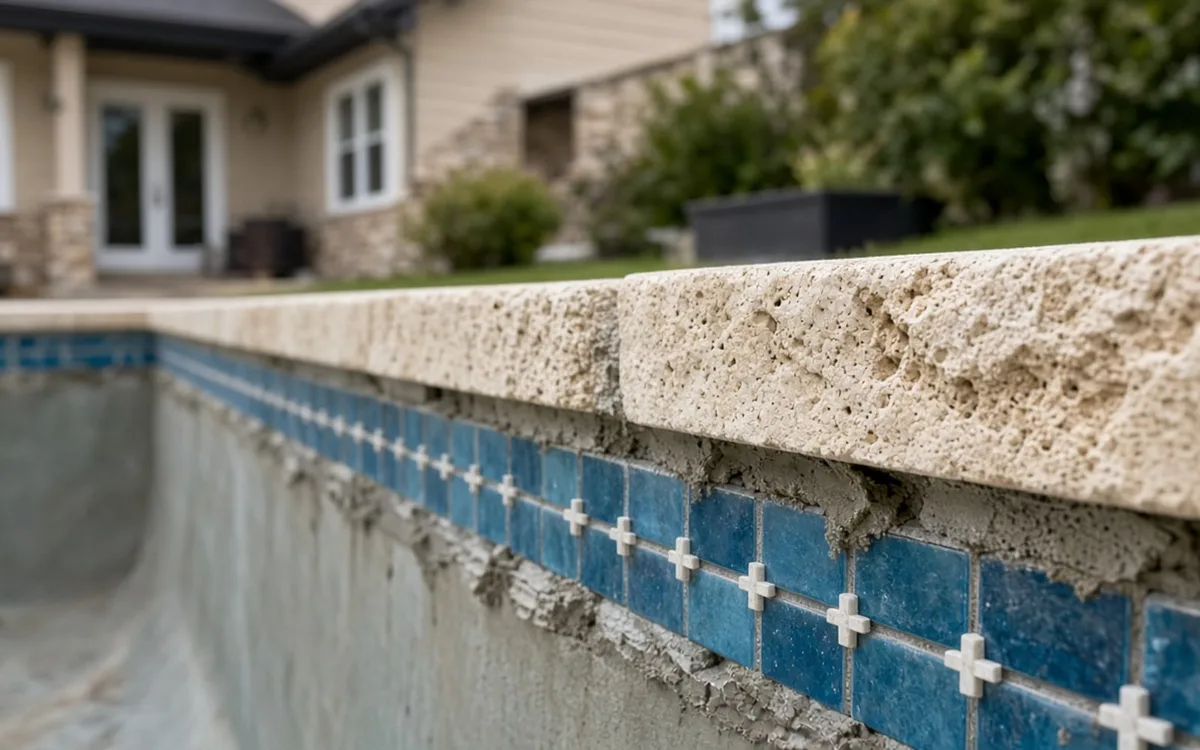
Cut finish grade before preparation. Moving from a premium polished aggregate to standard pebble, or from pebble to quartz, can save thousands with a modest effect on lifespan. Cutting preparation, for example by accepting a bond coat over a finish that is already delaminating, usually shortens the new surface's life far more than the savings justify, and it can void a manufacturer's warranty.
Defer items that do not need a drained pool, such as equipment or deck work, to a later budget. Keep the drain cover, necessary fitting repairs and failing waterline tile, since each would require another drain later. HomeAdvisor's per-finish pricing runs from about $5,500 per 1,000 sq ft for plaster up to $30,000 for tile; on a resurfacing, finish grade is the right place to save.
The three sketches below assume a typical backyard pool with about 1,000 square feet of interior and use national figures only. Local labor rates, yard access, groundwater control and the condition revealed after draining can each move a total substantially, so treat the sketches as a starting frame for conversations with bidders.
Price your own pool with the calculator, then send the same brief to several pros through the estimate request. For the per-year view of finish choice, the plaster versus pebble comparison runs the numbers, and the resurfacing service page explains preparation, draining and startup step by step. Every sketch assumes the pool holds water and the shell is not moving.
| Budget sketch | Scope | Approximate total |
|---|---|---|
| Essential | Plaster, bond coat on sound shell, drain cover | Low end of Shasta's $3,500 to $6,500 replaster range |
| Mid-range | Quartz or standard pebble, moderate prep, waterline tile | Near HomeAdvisor's $11,000 average |
| Long-life | Pebble, full chip-out, waterline tile, fitting repairs | Upper part of the $6,000 to $15,000 range |
By the numbers
Planning figures from published U.S. sources; every card links to where the number came from.
$5,500 per 1,000 sq ft
Plaster costs ~$5,500 per 1,000 sq ft; aggregate $6,500; tile up to $30,000
HomeAdvisor's per-finish pricing shows why most homeowners land on plaster or a pebble/quartz aggregate. Tile is five to six times the cost but is the longest-lasting interior.
HomeAdvisor, Pool Resurfacing Cost (2026)$3,500–$6,500
Replaster costs $3,500–$6,500; quartz $7k–$10k; pebble $6k–$15k; tile $15k–$30k
Shasta Pools' January 2026 renovation guide prices each interior finish for a typical residential pool and notes labor is roughly half of tile jobs. Pebble finishes have become the mid-market default for longevity.
Shasta Pools, Cost to Replace Your Pool Tile, Deck or Interior Finish (2026)$45–$65 per hour
Resurfacing labor is $45–$65 an hour; draining adds $175–$225 before the job
HomeAdvisor's 2026 breakdown also lists a $250 average pre-resurfacing cleaning. Drain, refill and water-balancing costs are easy to forget when comparing resurfacing bids.
HomeAdvisor, Pool Resurfacing Cost (2026)3 days vs 11 days
Replastering typically takes 3 days; a complete pool upgrade averages 11 days
CostHelper's figures are user-reported and the page gives no data date, so this site uses them for working days only, not prices. The days are on-site work; draining, refill and the startup cure add to the time the pool is out of service.
CostHelper, Pool Resurfacing Cost (2026)The calculator uses the same pool renovation benchmarks as this guide. Set the size and tier, then request a written estimate to check it against a real proposal.
Homeowner polls
No votes yet. Yours will be the first. · saved on this device
No votes yet. Yours will be the first. · saved on this device
Angi's 2026 benchmark for a pool remodel is $1,600 to $30,000, average $10,482.
No votes yet. Yours will be the first. · saved on this device
Roughly, since price scales with interior square footage. Some costs, such as draining, mobilization and startup, stay about the same regardless of size, so the cost per square foot falls slightly on larger pools. Complex shapes with many steps, benches and ledges cost more per square foot than simple rectangles because they take longer to trowel.
Usually, at the outset. HomeAdvisor's average liner replacement is well below a typical plaster resurfacing, but liners last fewer years than aggregate finishes. Compare the cost per year of service, and budget for wall panel or floor repairs that often surface when the old liner comes out.
It depends entirely on the pool. A few small hollows add little; widespread delamination can add several days of labor. A good proposal includes a base allowance and a per-square-foot rate beyond it, so the added cost is predictable once the pool is drained and the walls are sounded with a hammer.
Usually not. The refill is billed by your water utility, and some utilities offer a sewer credit for pool fills if you ask in advance. Where local restrictions require trucked water, the cost rises considerably, so check the rules before scheduling and include the refill in your own budget line.
It is possible but risky. Draining without a groundwater check can float the shell, and uneven chip-out can gouge the gunite. Many contractors will not warrant a finish applied over preparation they did not perform, so the savings can cost you the warranty. Most owners find the trade poor.
Colored plaster costs somewhat more than white because of pigments and more careful application, and it shows mottling more readily as it cures. If a particular water color matters, quartz or pebble often gives a more even result for a moderate premium and hides the blotches that colored plaster can develop.
Many contractors include a few days of startup brushing and water balancing in the price and offer extended service for an added fee. The first month of care strongly affects how the finish looks and whether the warranty holds, so confirm in writing who is responsible for each day of the startup period.
 Tile & Coping Replacement · Cost guidePool tile and coping costs, from a waterline band to a new edge
Waterline tile runs $25 to $30 per linear foot per Shasta Pools, or about $1,500 to $2,500 for a small pool; We Fix Ugly Pools gives $15 to $60 per foot depending on tile.
 Equipment Upgrades · Cost guidePool equipment costs: purchase, installation and what each saves
Pool equipment costs range from a variable-speed pump that Pool Goods models as saving $345 to $735 a year, to a heater averaging $3,094 installed per HomeAdvisor, a salt conversion at $500 to $2,500 and an automatic cover at $3,594 to $10,782 per Fixr.
 Complete Pool Remodel · Cost guideBudgeting a complete pool remodel line by line
A pool remodel averages about $10,483 per Bob Vila and $10,482 per Angi, but those figures describe modest lists.
 Service guidePool Resurfacing
Pool resurfacing replaces a worn interior finish on a concrete pool with new plaster, quartz, pebble aggregate or tile, or replaces the liner on a vinyl pool.
Service guideTile & Coping ReplacementTile and coping replacement renews the waterline band and the edge cap on the bond beam after the cause of the failure is understood.
Service guideComplete Pool RemodelA complete pool remodel coordinates several diagnosed repairs and desired changes, typically interior finish, tile and coping, deck, equipment and features, into one sequence with one drain cycle and one contractor accountable.
 Free toolPool resurfacing and renovation cost calculator
Size, material tier and complexity in, a realistic budget range out.
 Free toolRenovation comparisons, decided by your pool's condition
Side-by-side tables for the decisions that change the price most.
 Free toolPool renovation quiz: nine facts to know before the first proposal
9 questions that show what you already know and what to check next.
 Free toolPool renovation polls
See what other planners chose and add your vote.
Tell us the size, the condition of what is there now, and what you want to change. Pool Renewal Notes passes your request to independent local professionals, who reply with written, no-obligation estimates. The service is free to use.